
How Timber Frame Homes Slash Your Energy Bills by Up to 70%
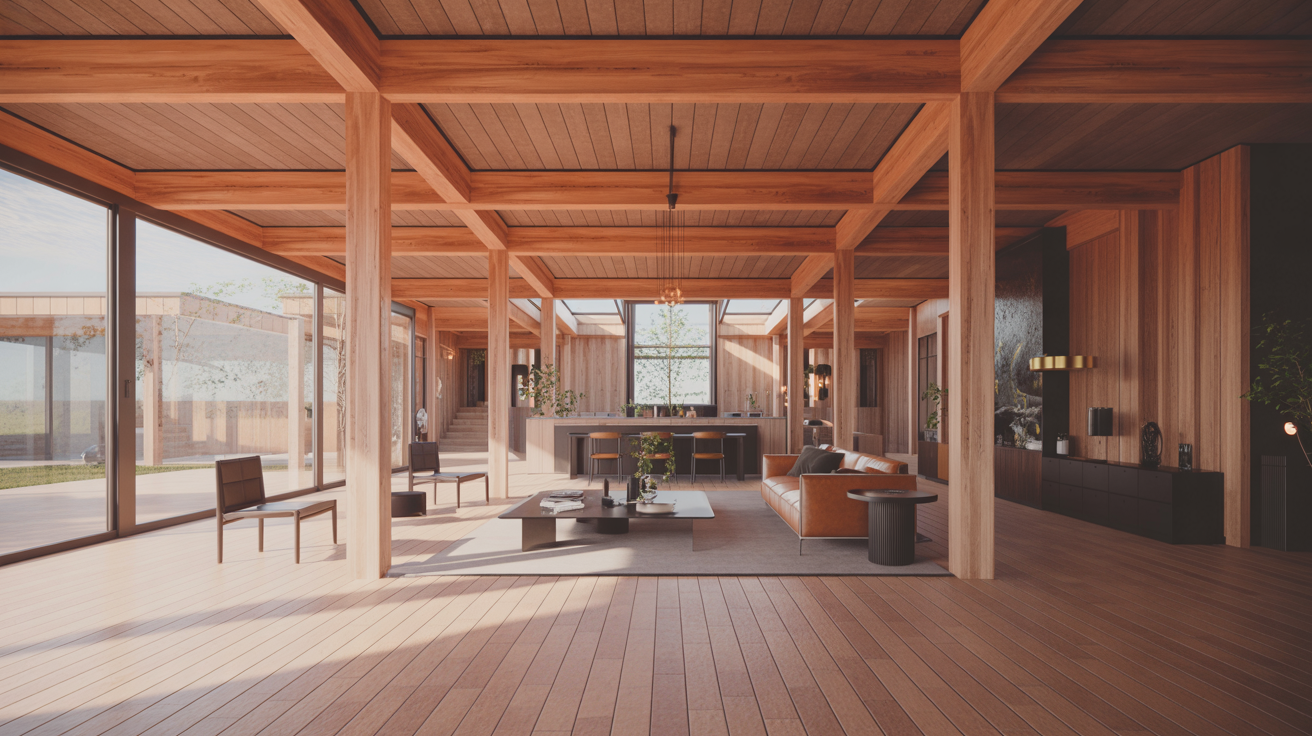
Energy costs are a major concern for homeowners. The good news? Timber frame homes are among the most energy-efficient structures you can build. Here’s how they achieve remarkable savings.
The Natural Insulation Advantage
Wood is a natural thermal insulator. Its cellular structure traps air, creating a barrier against heat transfer. Timber is roughly 15 times better at insulation than concrete, 400 times better than steel, and 1,770 times better than aluminum. This means your walls, floor, and roof are working to keep you comfortable from day one.
Advanced Wall Systems
Modern timber frame homes use advanced wall systems that can achieve U-values as low as 0.10 W/m²K. Combined with high-performance windows and airtight construction, these homes can achieve Passive House levels of energy efficiency with less effort than traditional builds.
Heating and Cooling Savings
Our clients typically report heating and cooling cost reductions of 50–70% compared to similar-sized conventional homes. In moderate climates, some homeowners find they barely need heating or cooling systems at all, relying instead on the home’s natural thermal mass and insulation.
Thermal Mass and Comfort
Timber has a unique ability to regulate indoor humidity and temperature. It absorbs moisture when the air is humid and releases it when conditions are dry, creating a naturally comfortable indoor environment that feels “alive” and healthy.
Long-Term Financial Impact
Over a 30-year mortgage, the energy savings from a timber frame home can add up to tens of thousands of dollars. Combined with potential tax incentives for energy-efficient construction, the financial case for timber is compelling.
Ready to Build Your Dream Home?
Get a free, no-obligation consultation with our team.
Get a Free Consultation