
Timber Frame vs. Traditional Construction: Which Is Right for You?
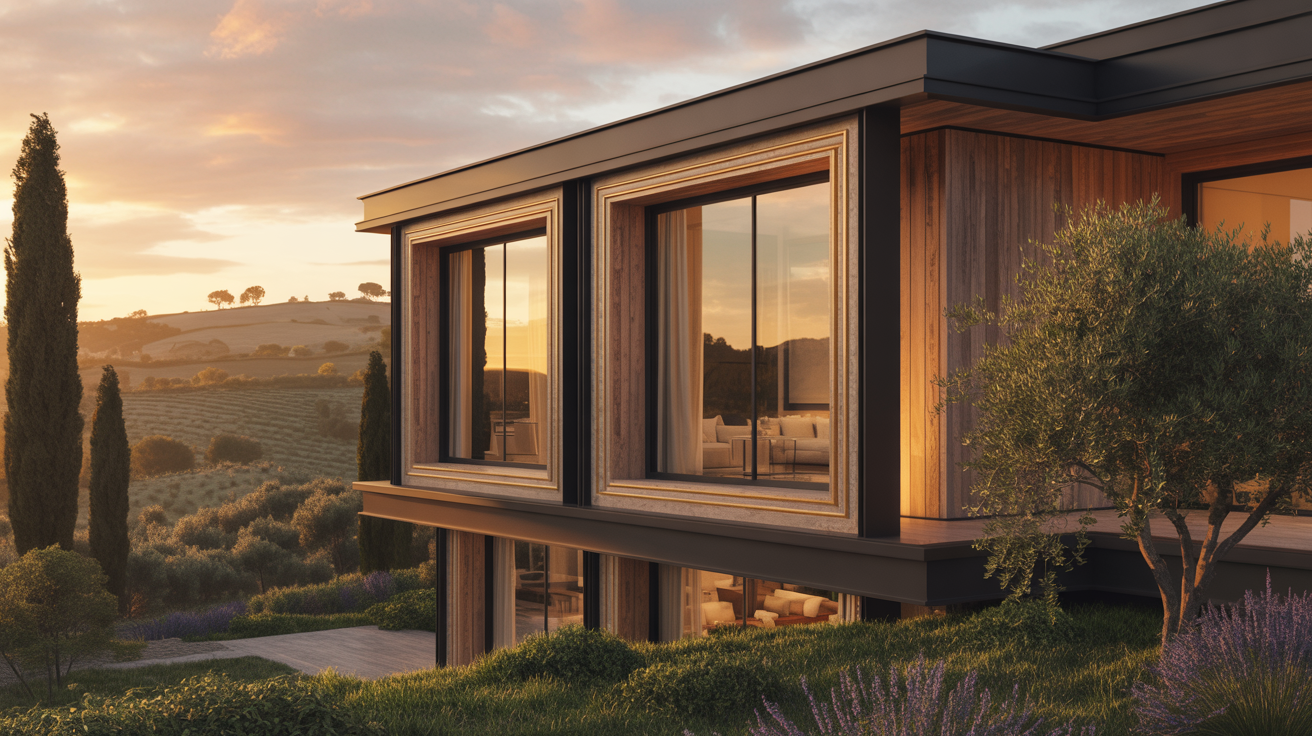
When planning to build a new home, one of the most important decisions you’ll make is the construction method. Timber frame construction has been gaining significant popularity, but how does it compare to traditional methods?
What Is Timber Frame Construction?
Timber frame construction uses large, precisely engineered wooden posts and beams to create the structural framework of a building. Unlike conventional stick framing, which uses many small lumber pieces, timber framing relies on fewer, heavier members joined with traditional joinery or modern connectors.
Build Time Comparison
One of the most compelling advantages of timber frame is speed. Because much of the frame is prefabricated off-site in controlled factory conditions, on-site assembly is dramatically faster. A typical timber frame home can be enclosed in days rather than weeks, and the entire project from design to move-in can take as little as 3–6 months — compared to 12–18 months for traditional construction.
Energy Efficiency
Timber is a natural insulator, approximately 15 times more effective than concrete and 400 times more effective than steel. This means timber frame homes require significantly less energy for heating and cooling. Many of our clients see energy bill reductions of 50–70% compared to conventionally built homes.
Cost Considerations
While the upfront material costs of timber frame can sometimes be comparable to or slightly higher than traditional construction, the total cost of ownership is typically lower. Faster build times mean reduced labor costs, and the superior energy efficiency translates to decades of savings on utility bills.
Durability and Longevity
Well-maintained timber frame structures can last hundreds of years. Many of Europe’s oldest standing buildings are timber frame, some dating back over 800 years. Modern treatments and engineering make today’s timber homes even more resilient.
Environmental Impact
Timber is the only major building material that is renewable. Trees absorb CO₂ as they grow, and that carbon remains stored in the timber even after it’s been milled and used in construction. Choosing timber over concrete or steel can reduce a home’s carbon footprint by 50% or more.
The Verdict
For homeowners seeking a faster build, superior energy efficiency, environmental responsibility, and timeless beauty, timber frame construction is an excellent choice. At Italy Golden House, we combine Italian craftsmanship with modern engineering to deliver homes that exceed expectations.
Ready to Build Your Dream Home?
Get a free, no-obligation consultation with our team.
Get a Free Consultation